

Making Safe Spaces - What does Safety mean to you?
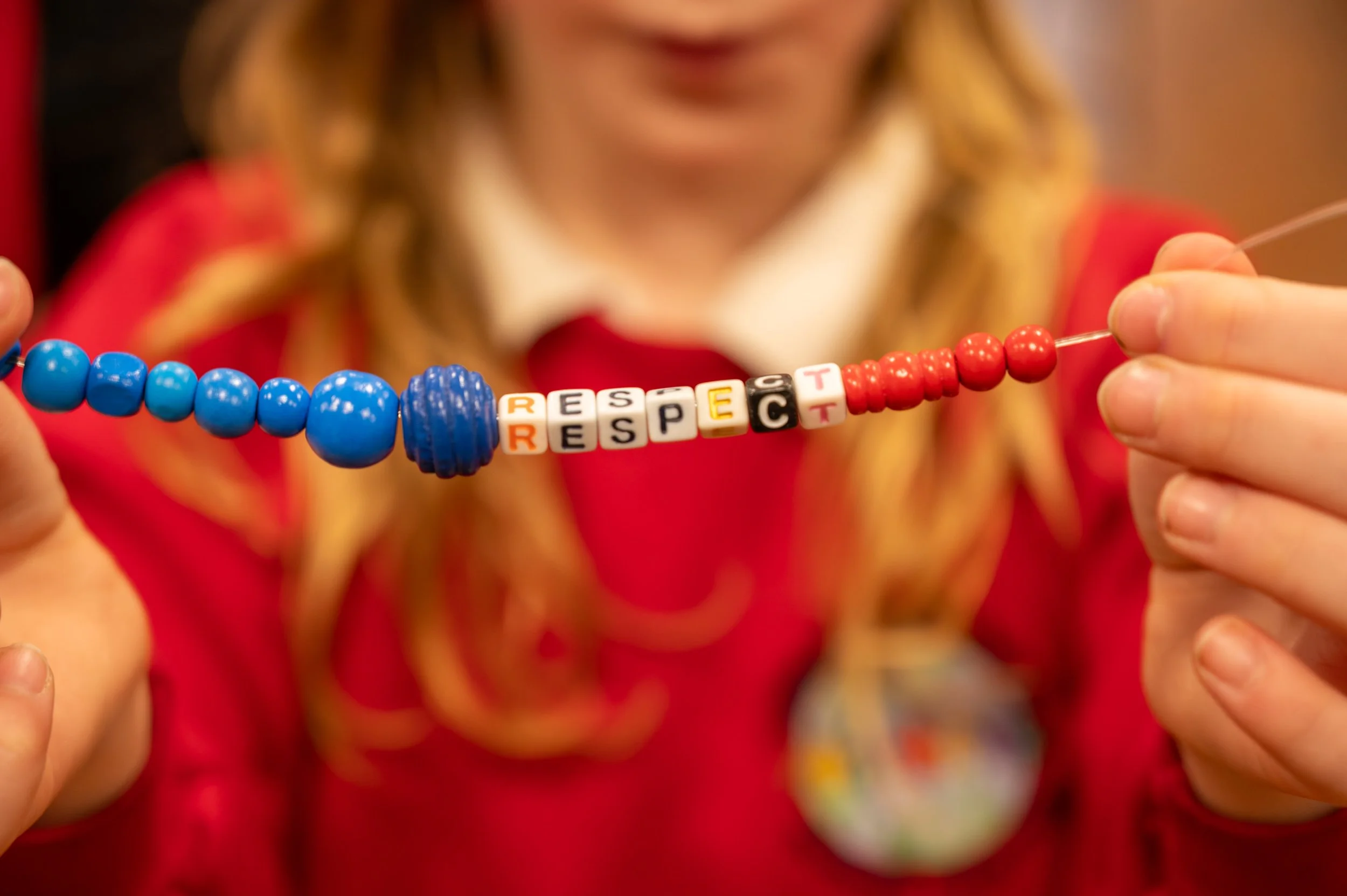
What does safety mean to you? It’s a simple question, but not an easy one to answer. And it’s not something that fits neatly into policy language or checklists. It’s personal. It’s shaped by experience, relationships, memories, and the places we spend time.
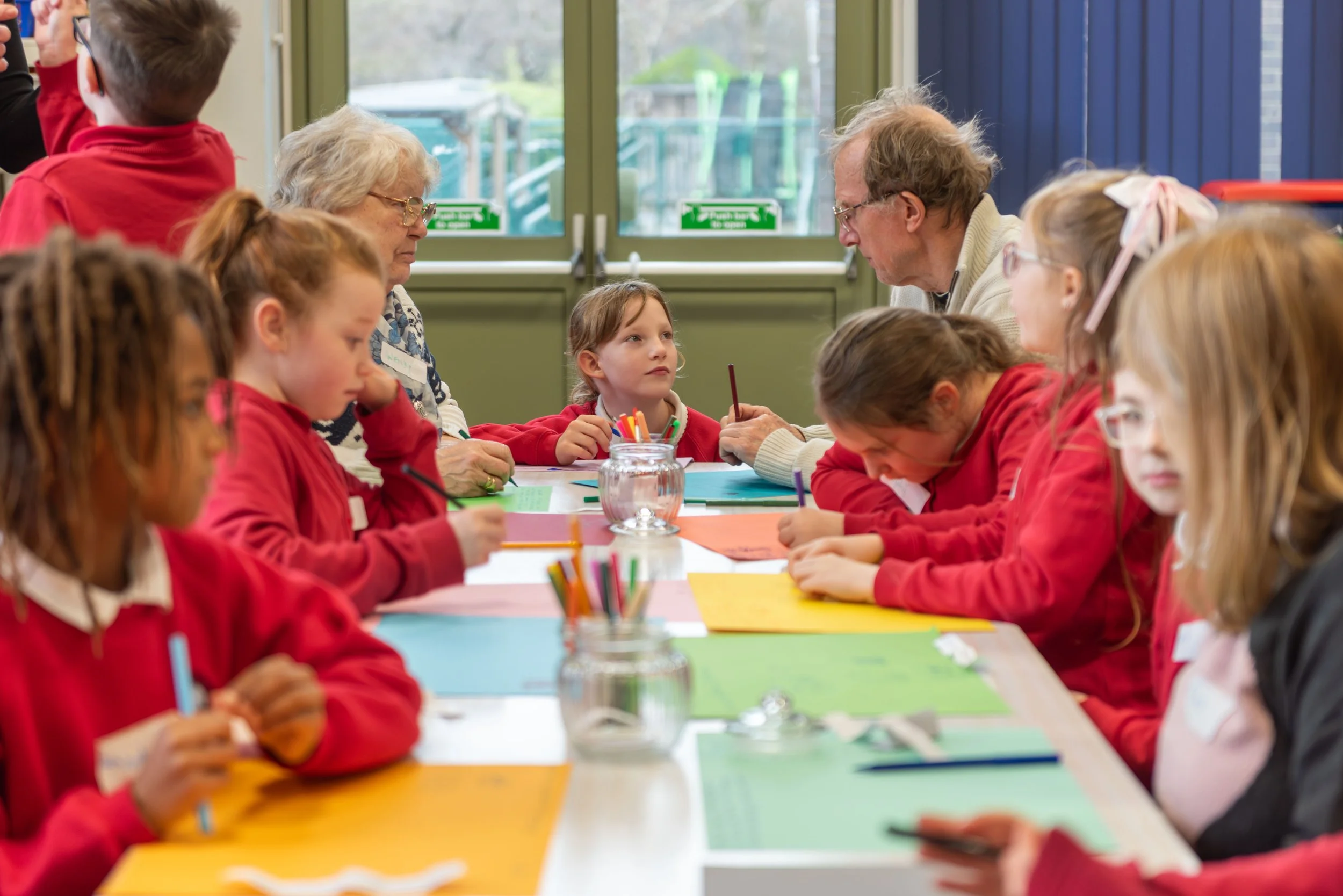
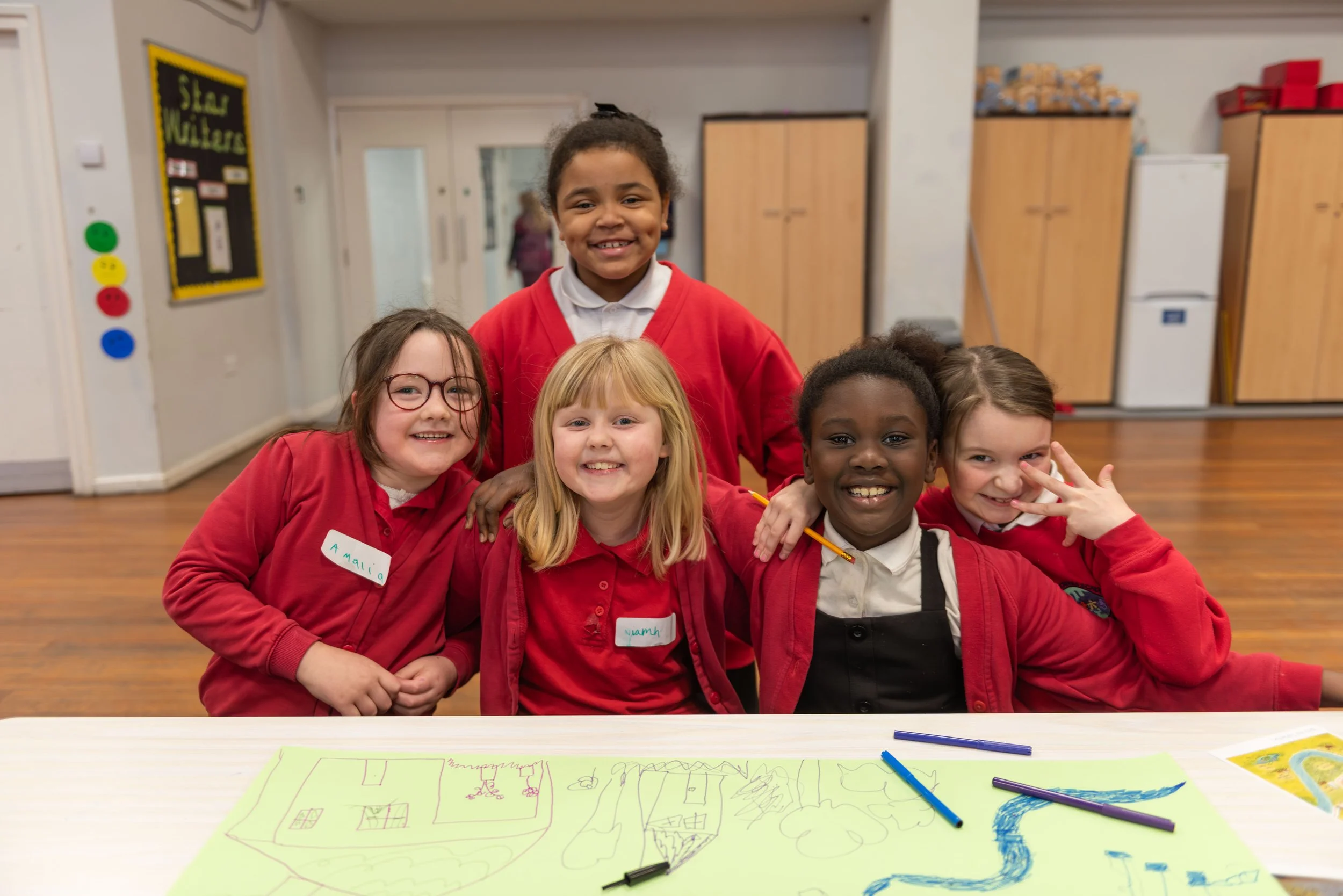
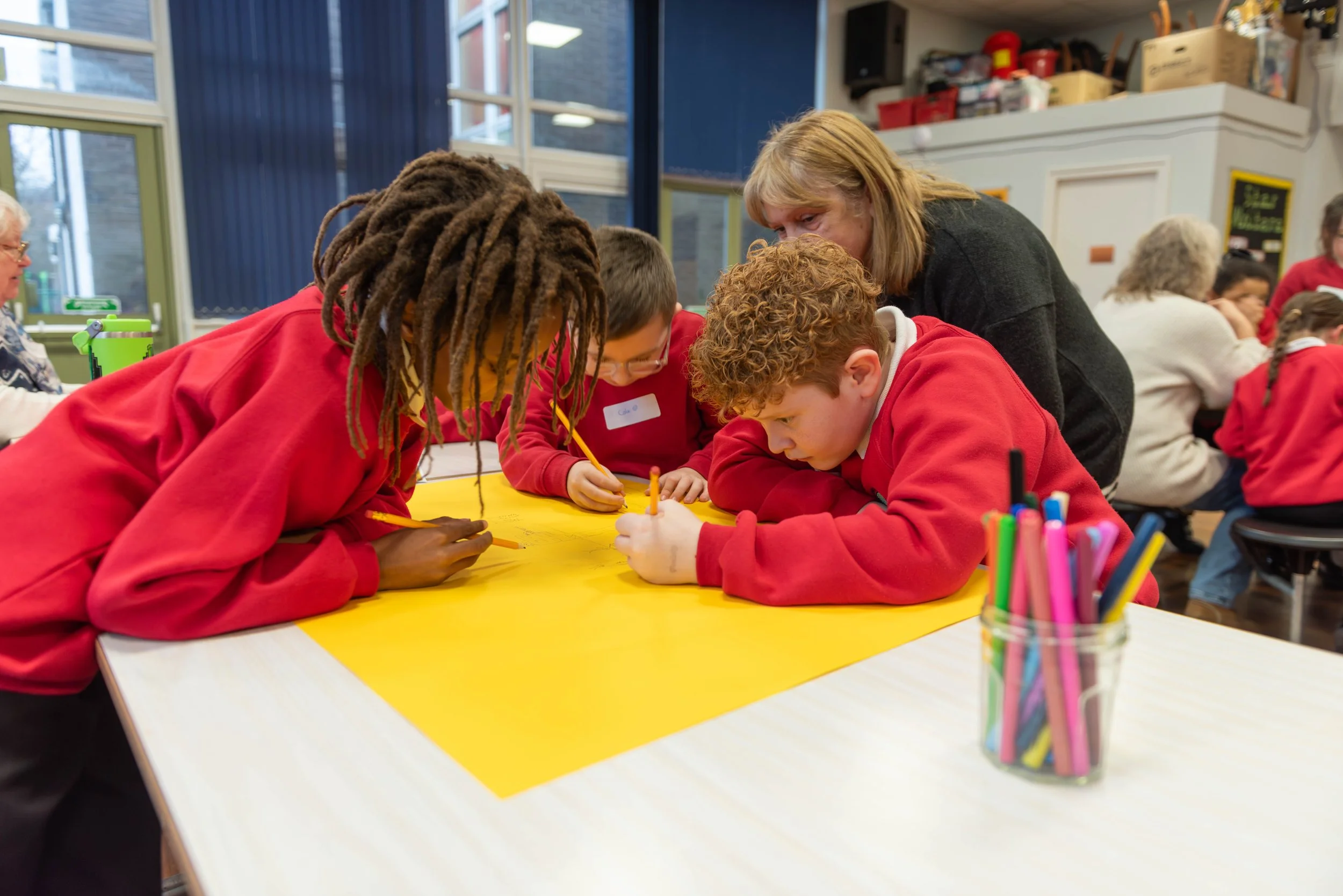
We’ve been exploring that question through Making Safe Spaces a creative, intergenerational project using photography and collage to open up conversations about safety in a different way.
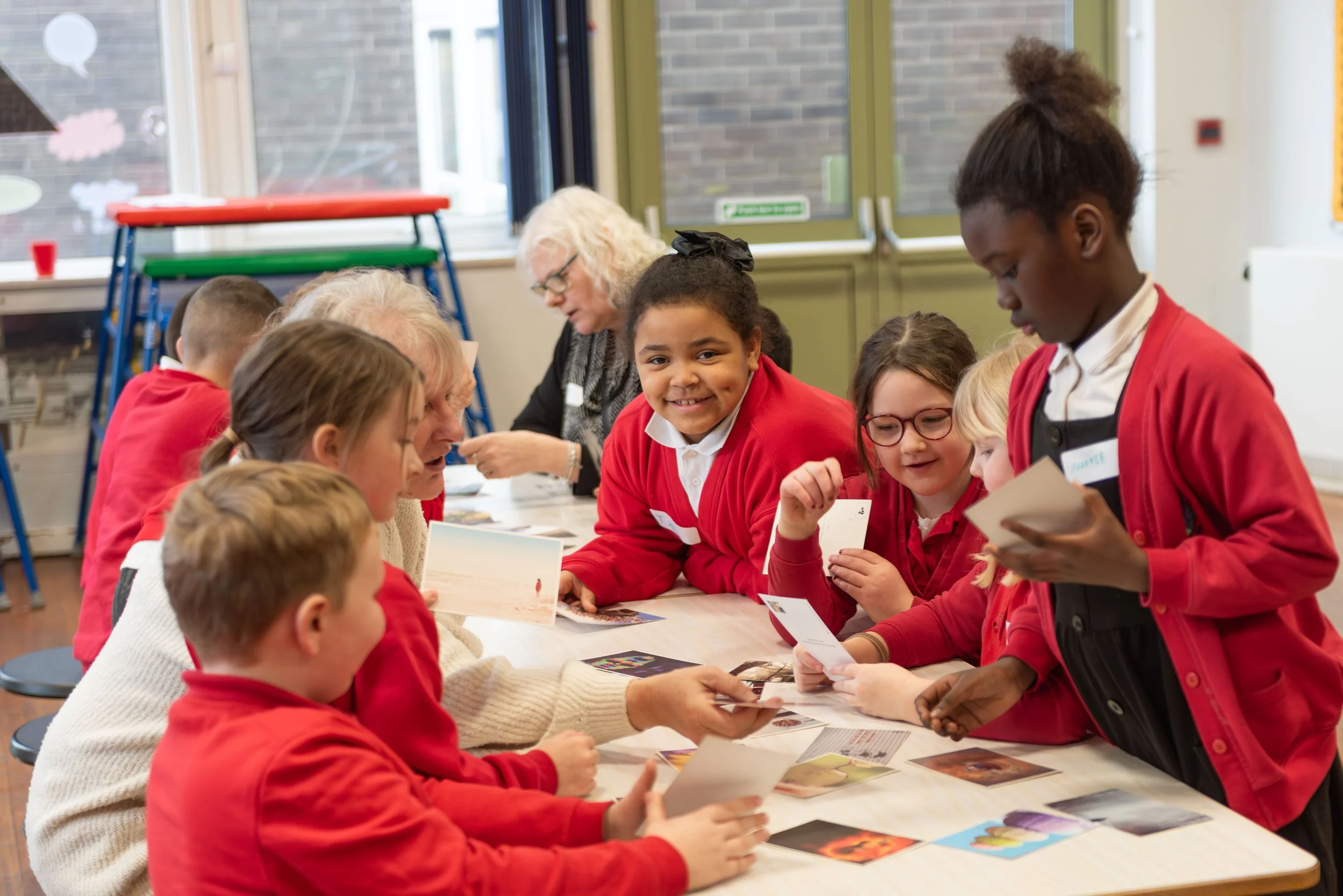
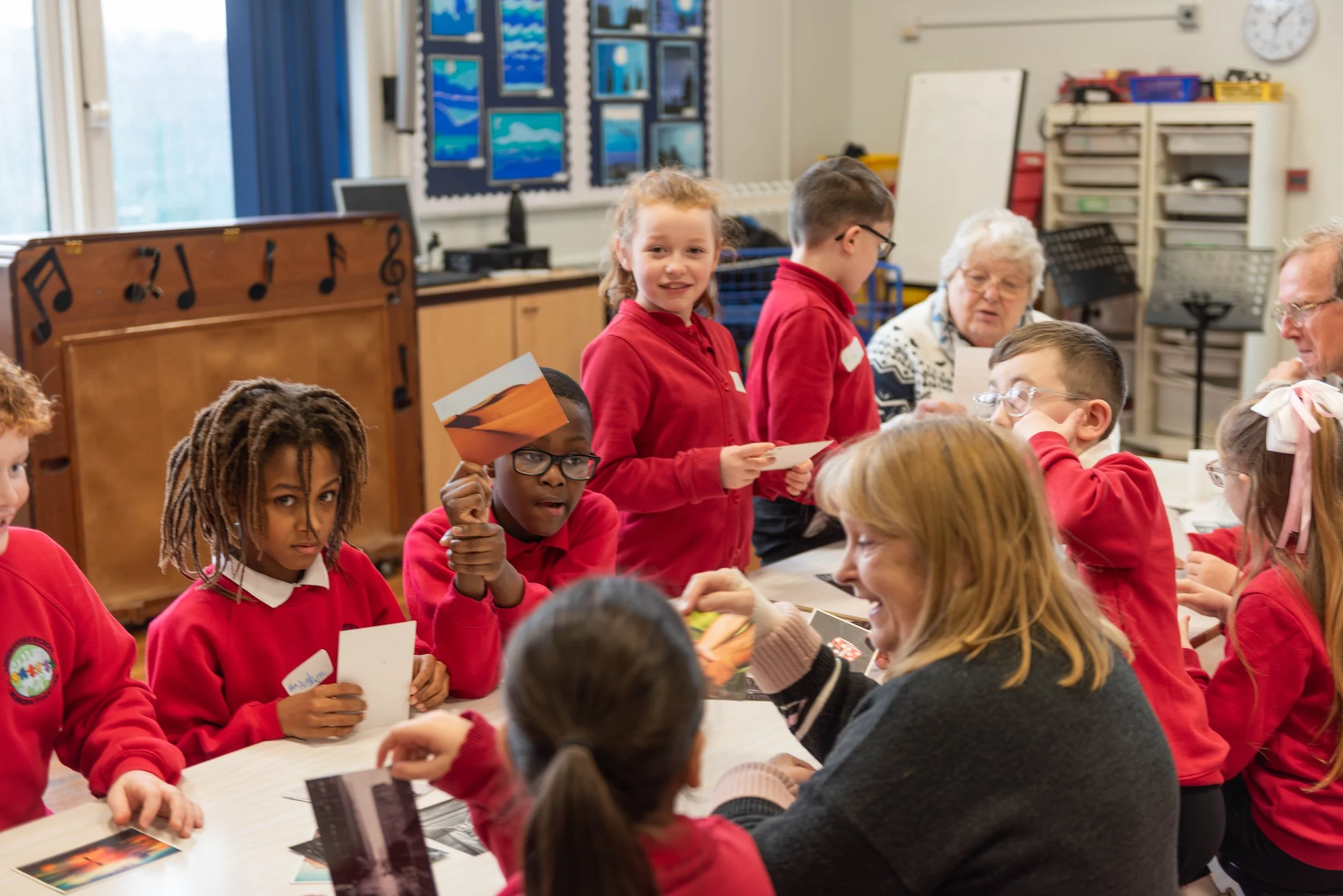
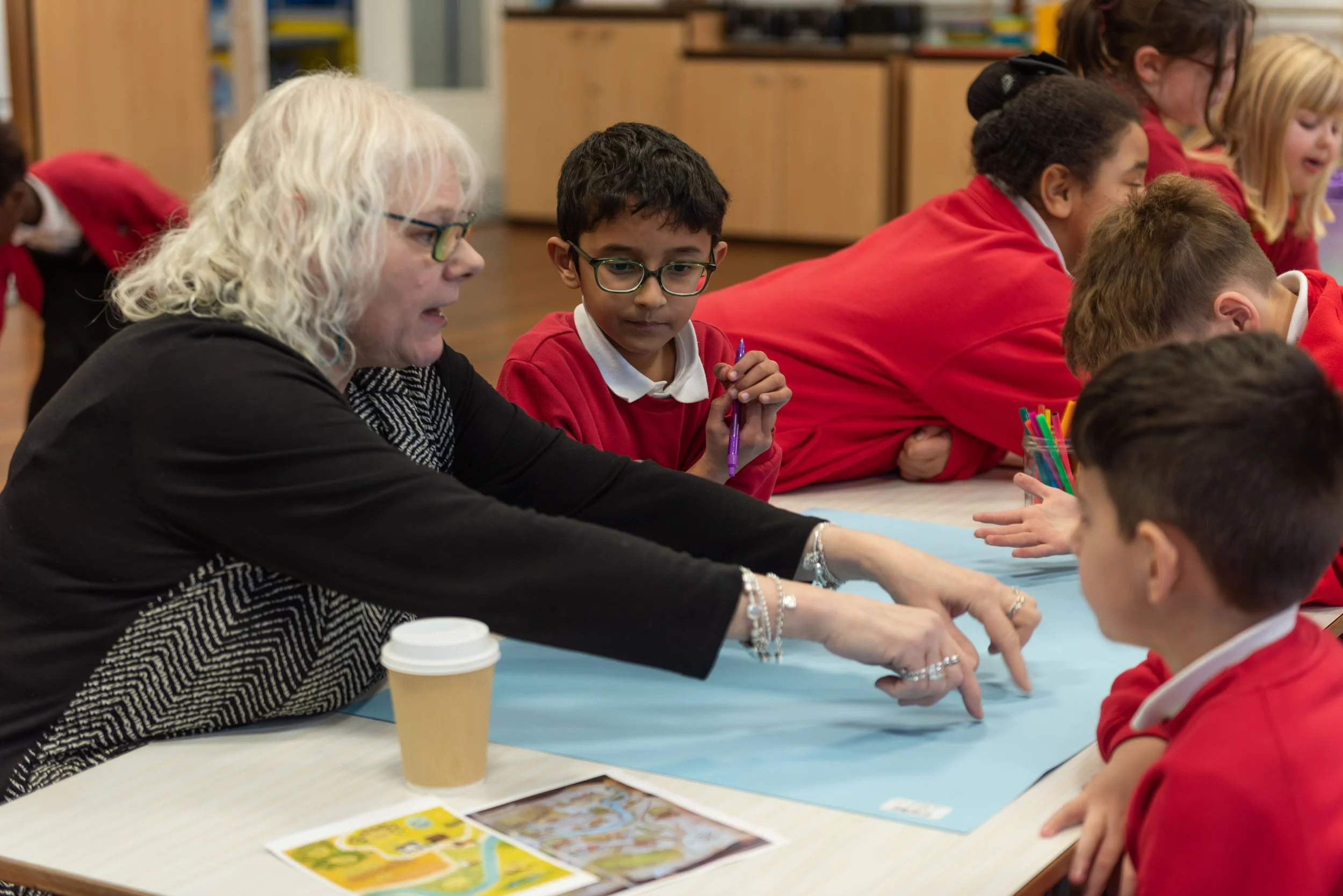
Starting with experience, not assumptions
The project brought together three groups:
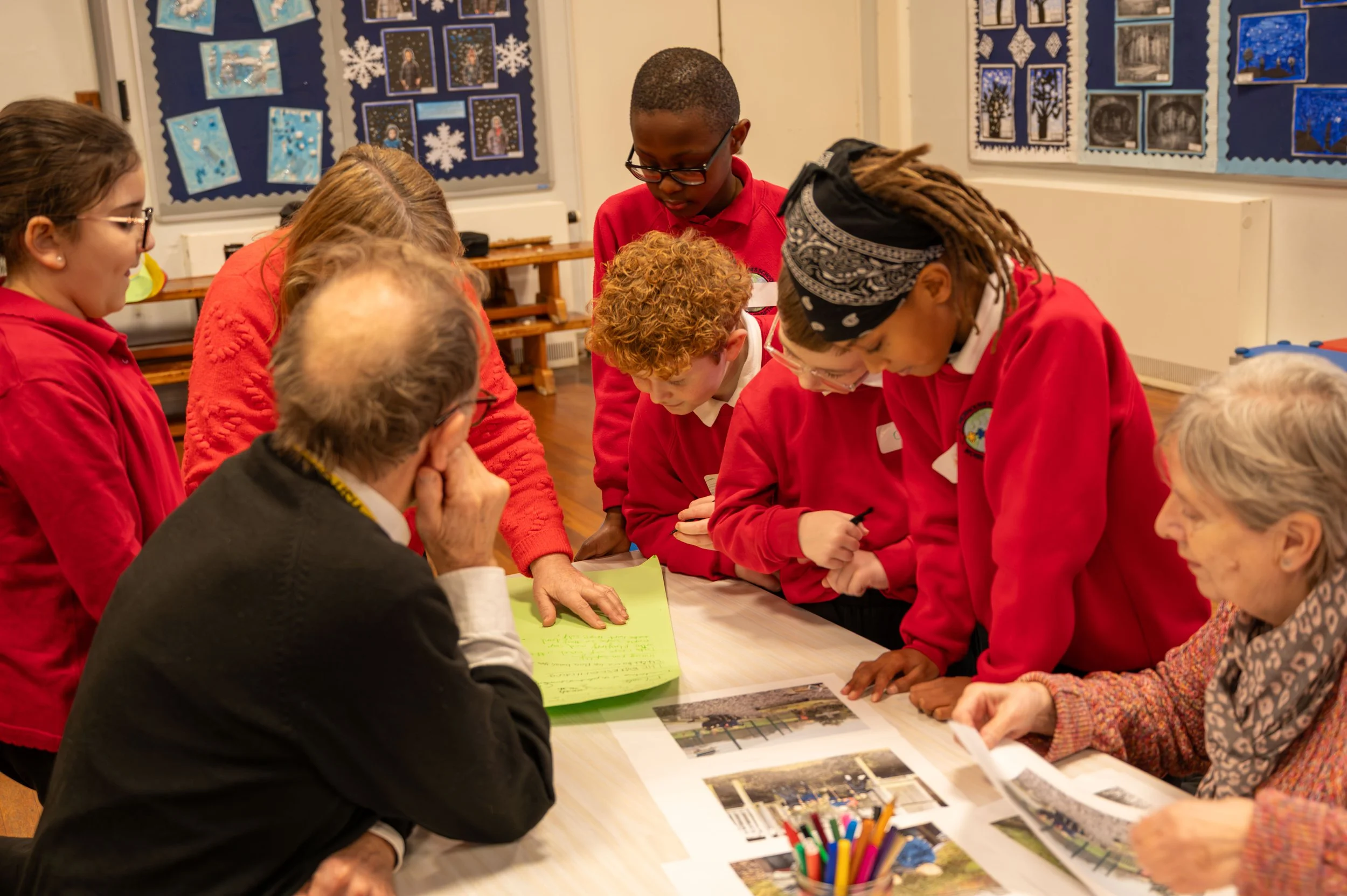
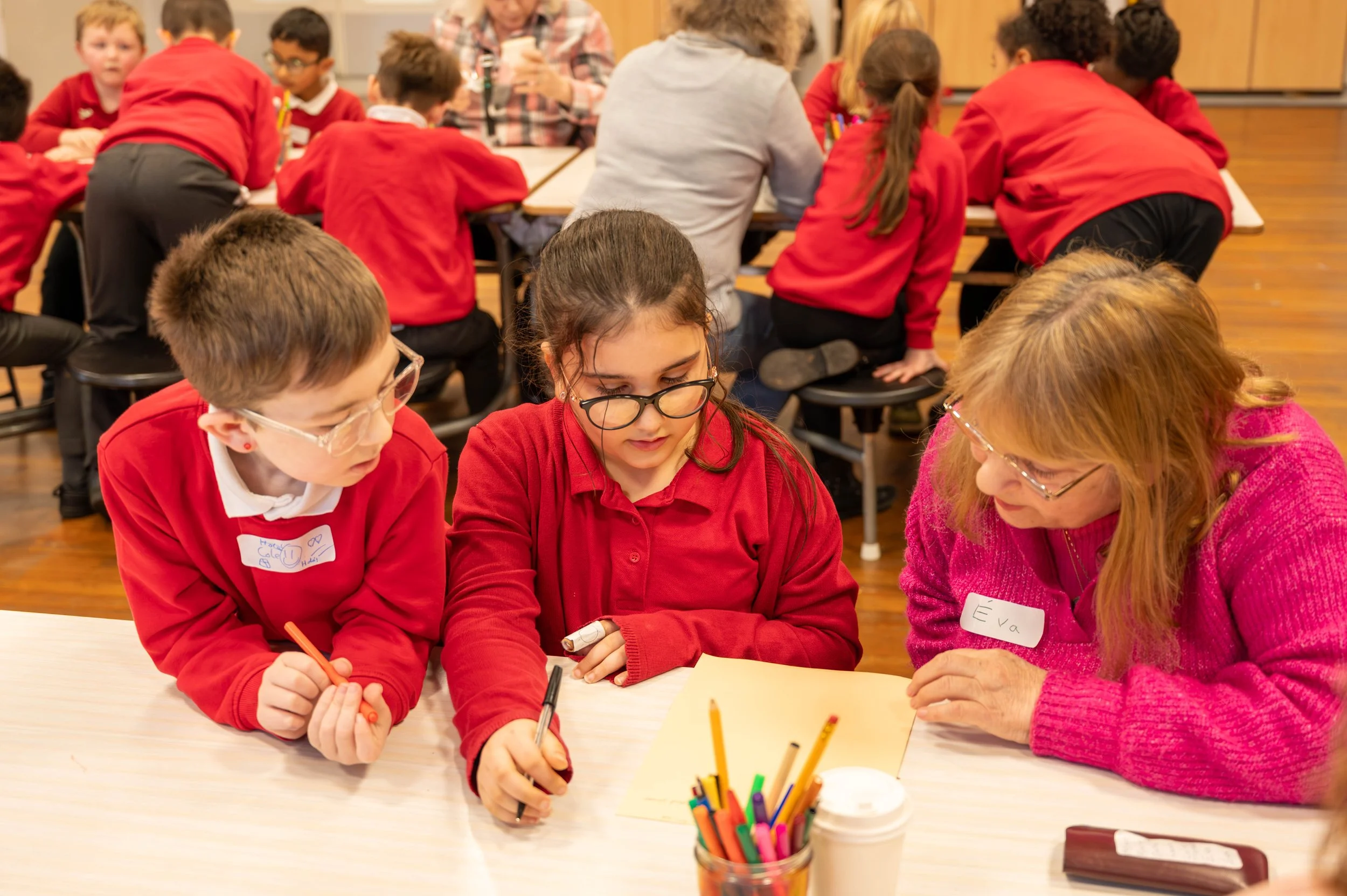
Children at Lowerhouses Primary School
Young people from Employability Solutions
Older adults from the local community
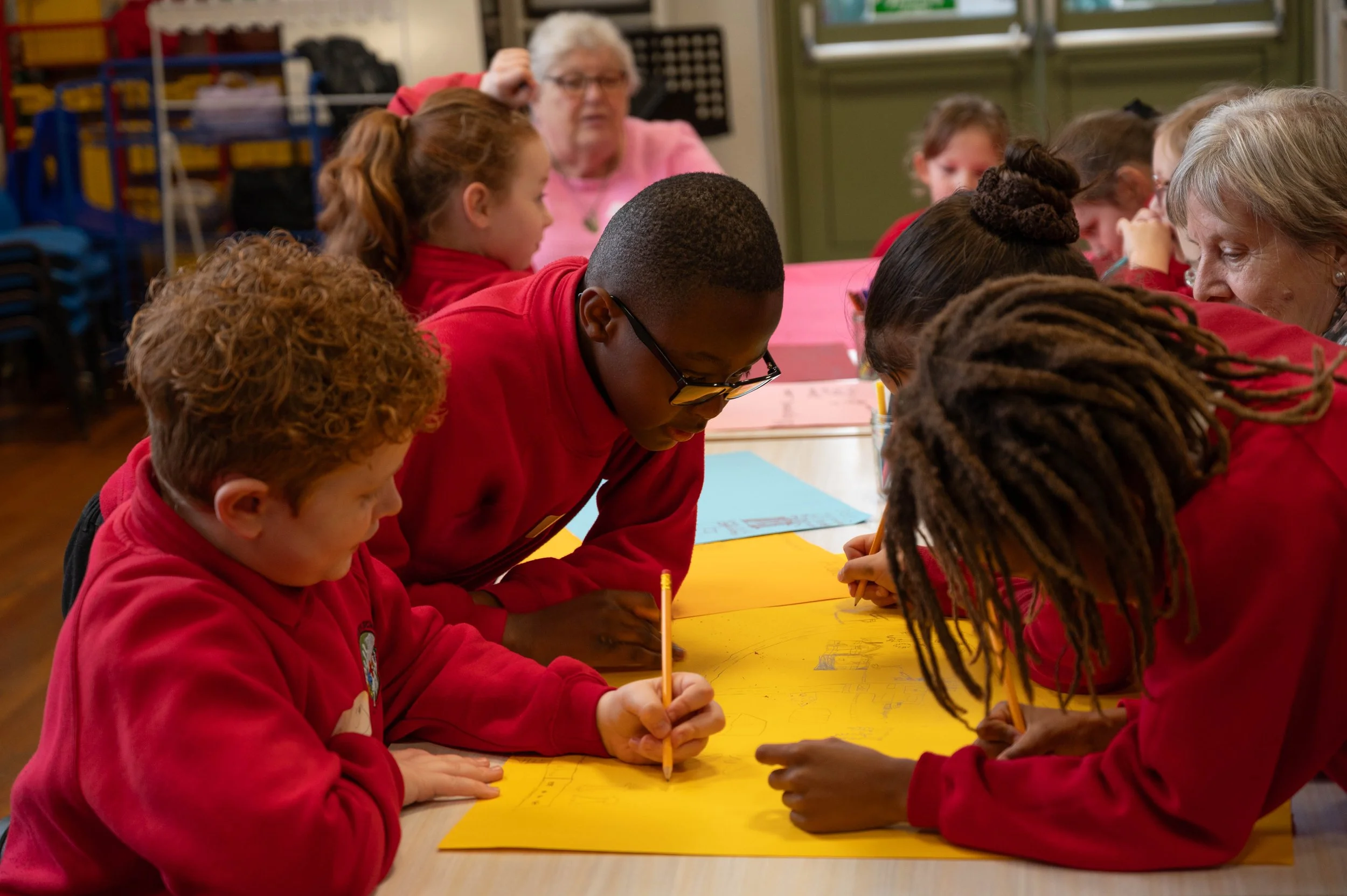
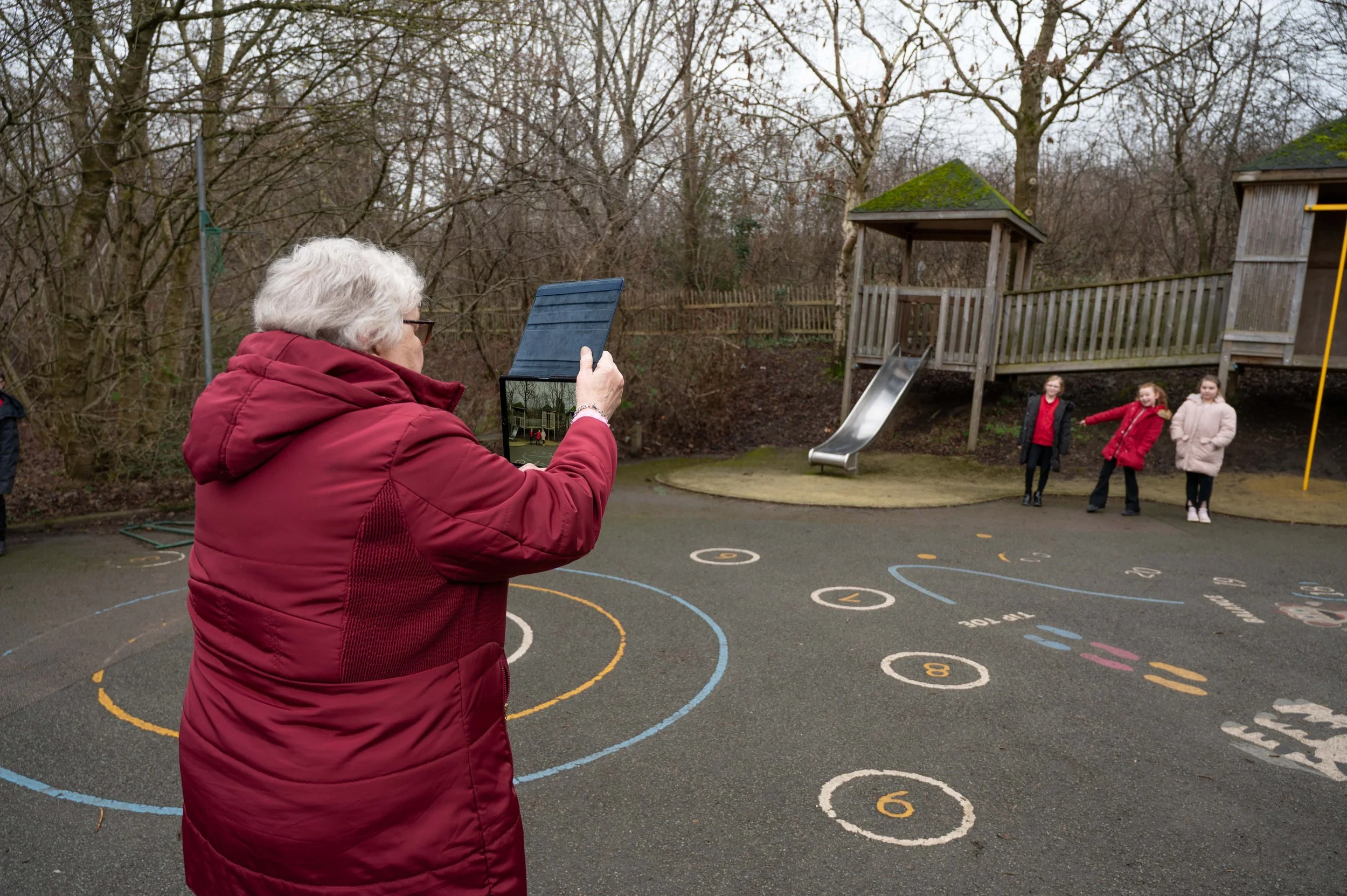
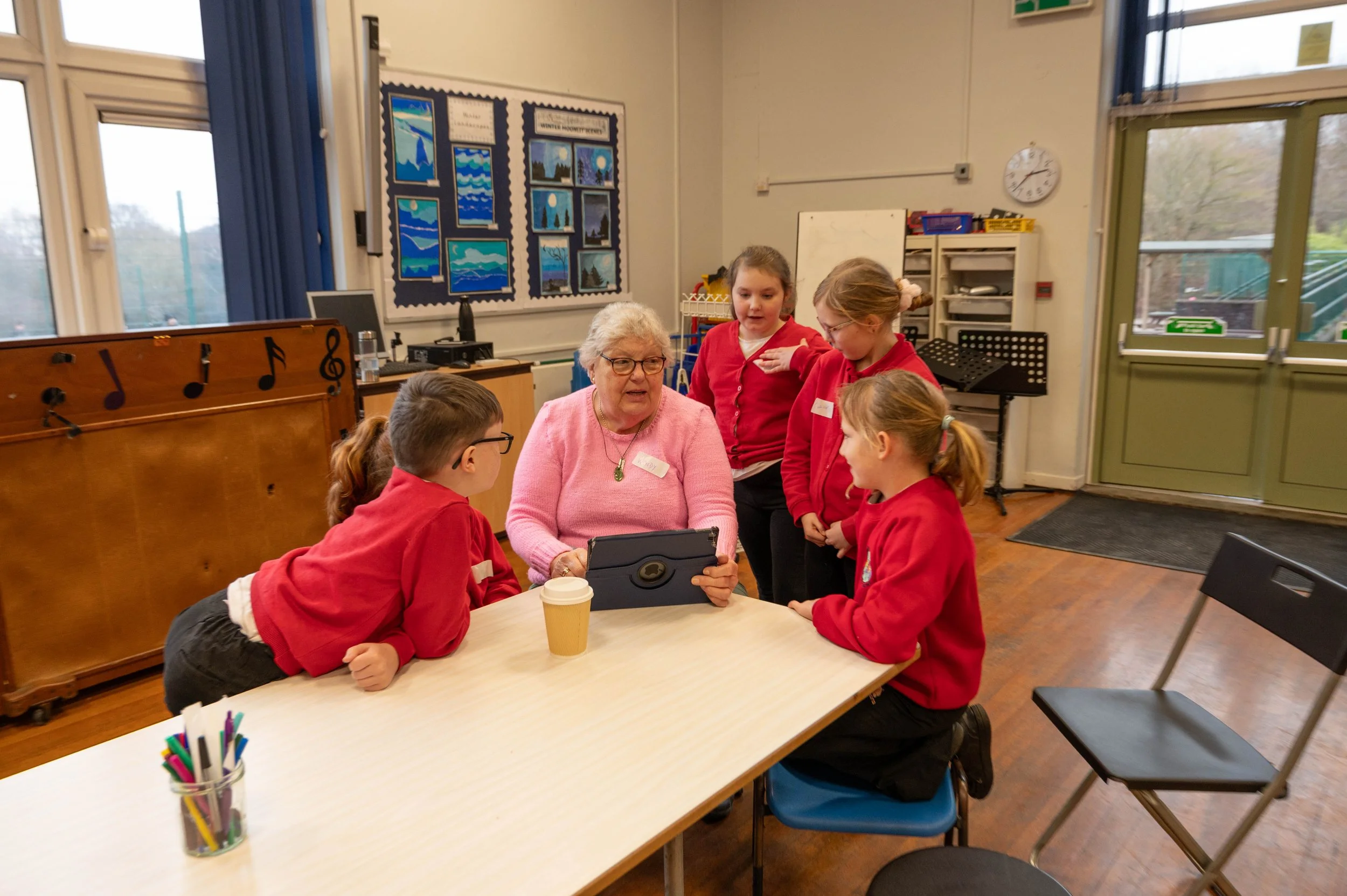
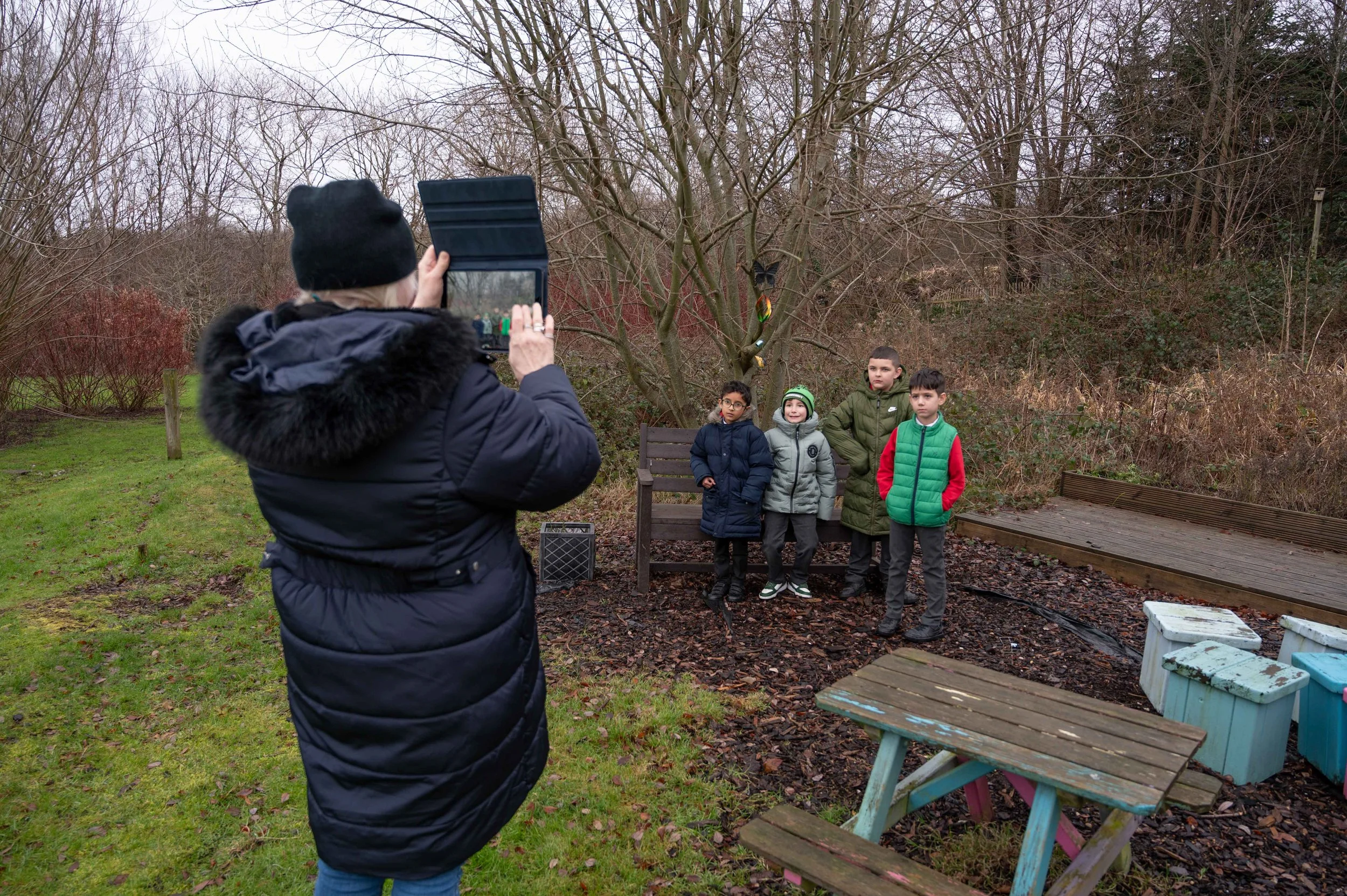
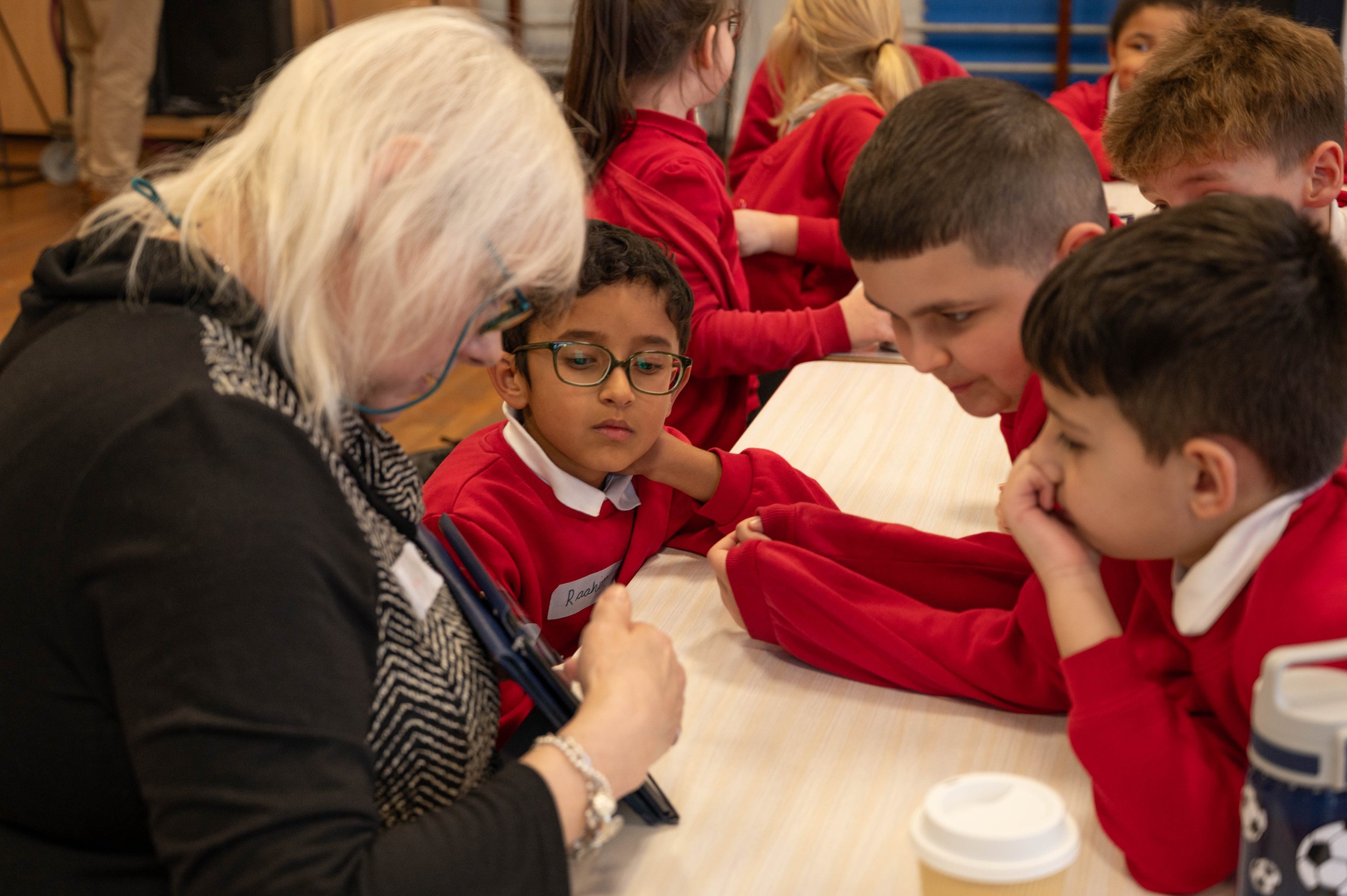
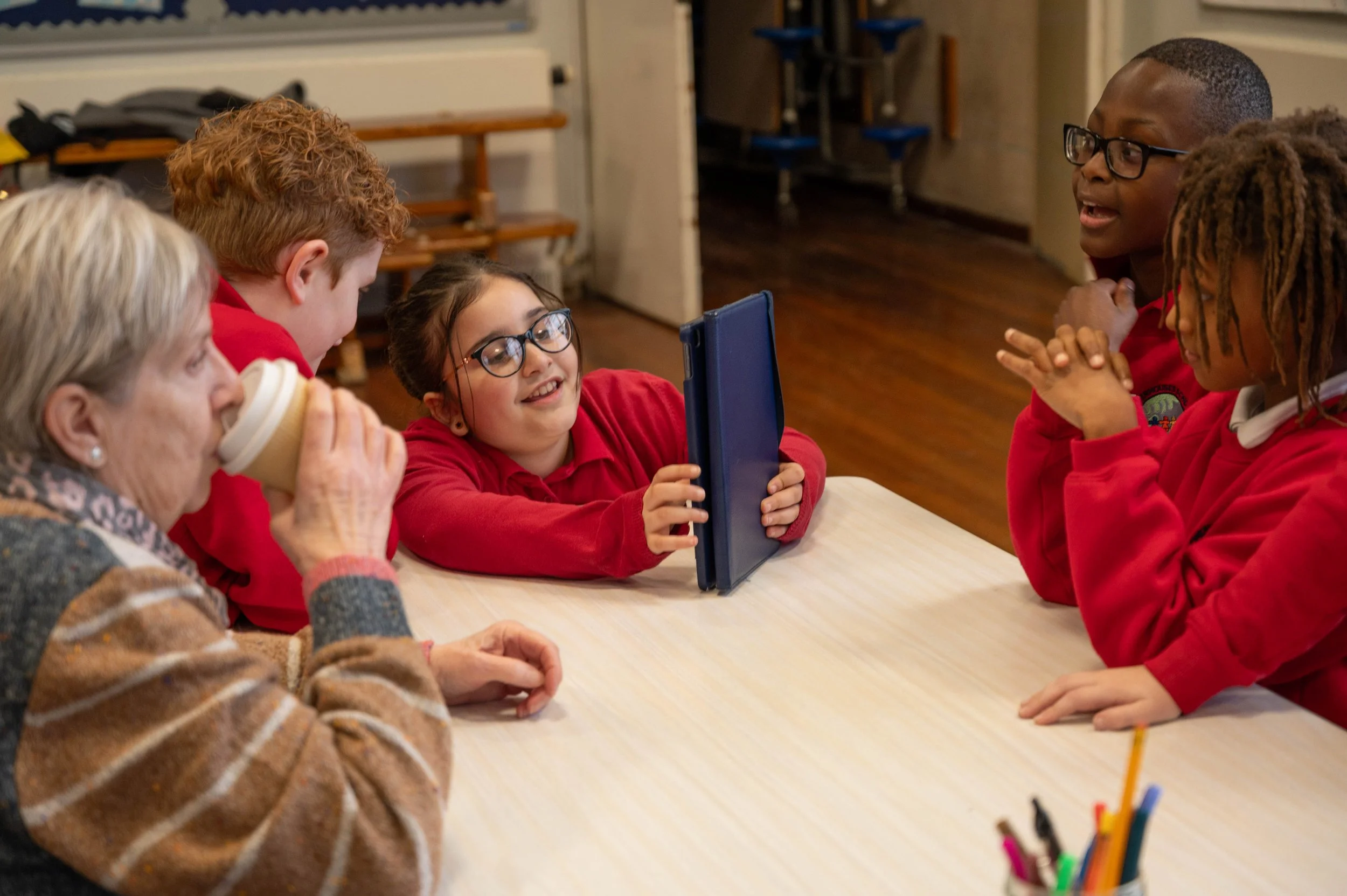
Each group approached the idea of safety from a different place.
For some, it was about physical spaces - where they feel comfortable, where they don’t.
For others, it was about people - trust, care, relationships.
And often, it was something harder to put into words.
That’s where the creative process mattered.
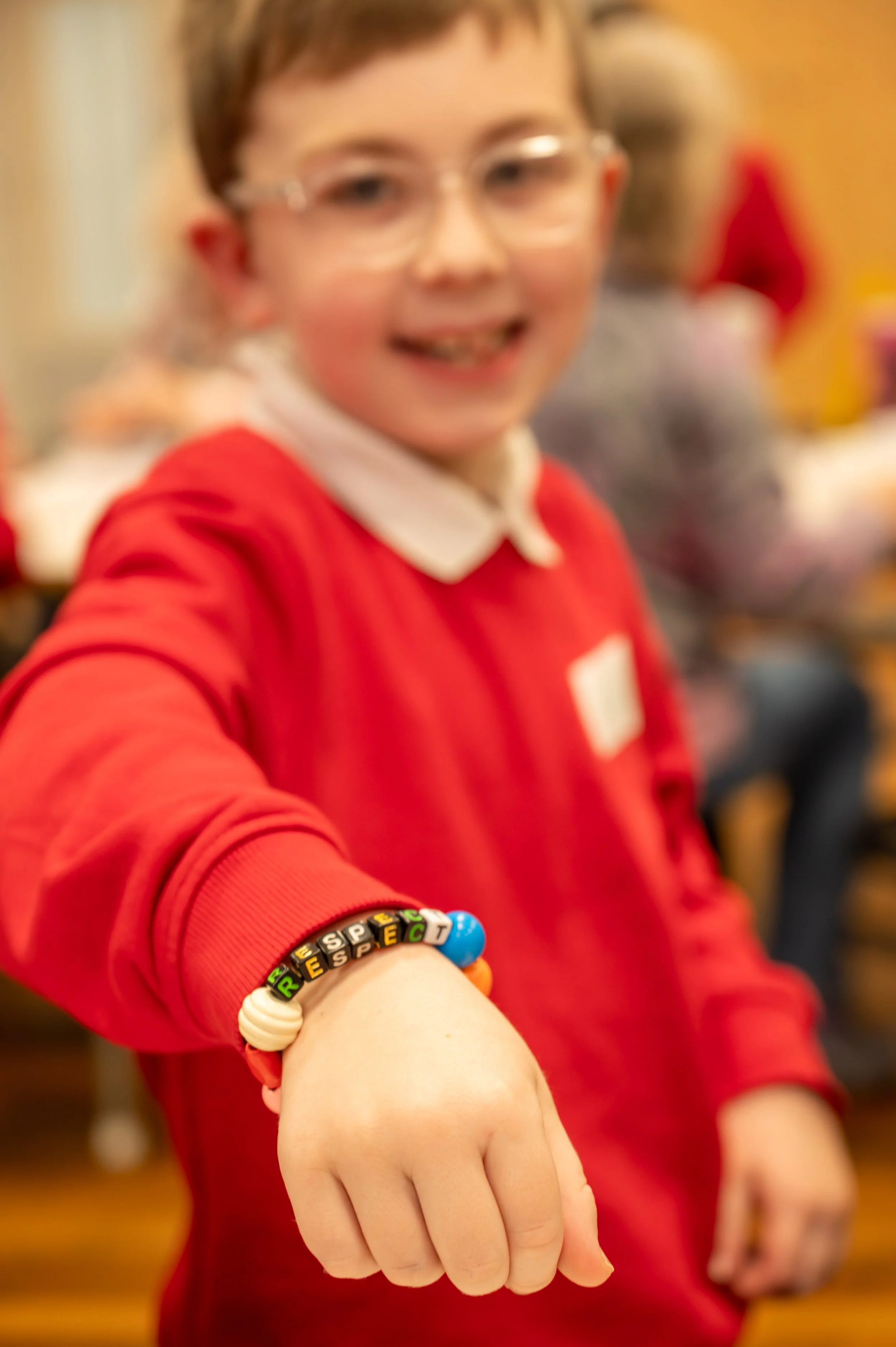
Using photography and collage gave people a way in. It took the pressure off having the “right” answer and instead created space to explore, reflect, and share.
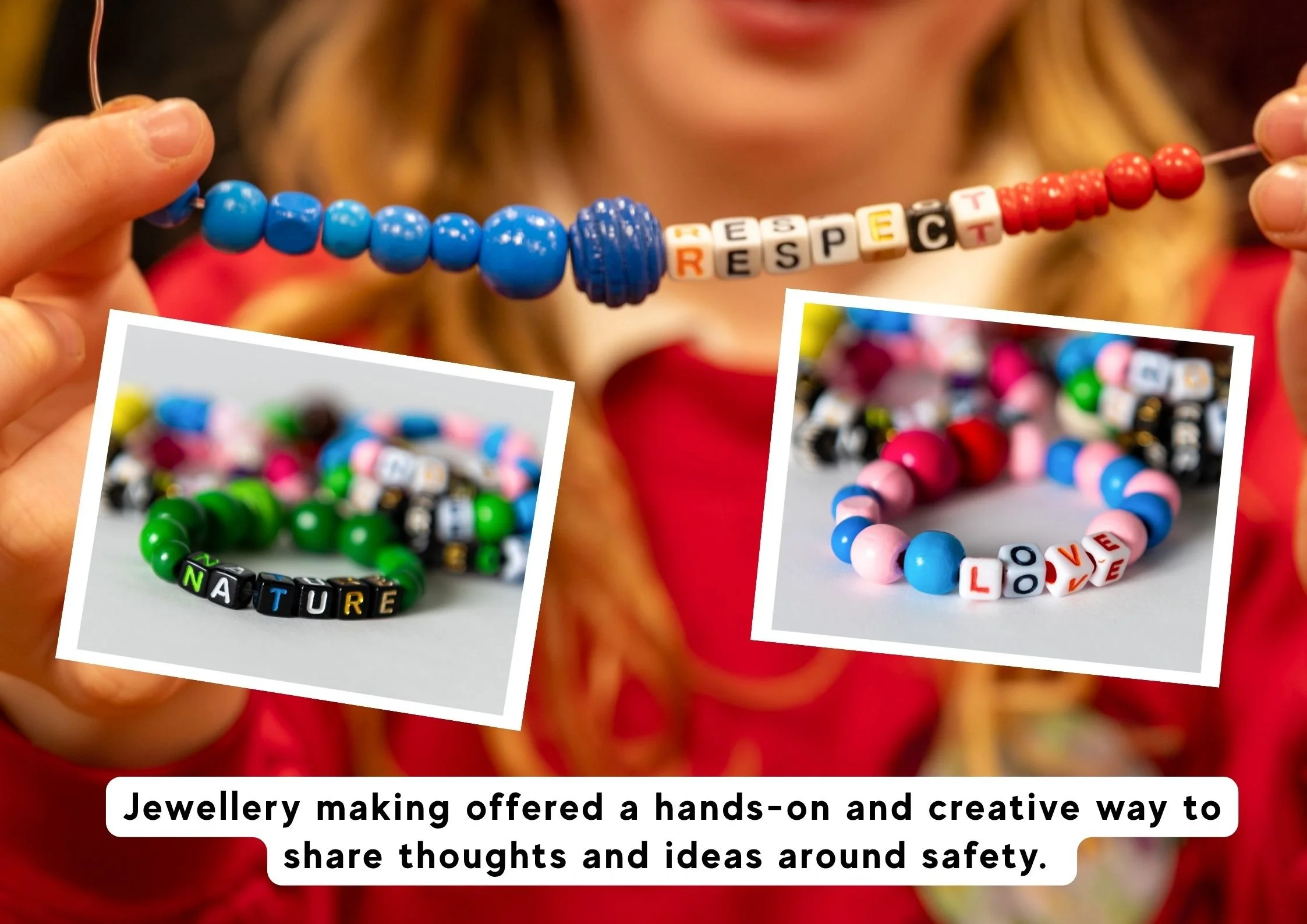
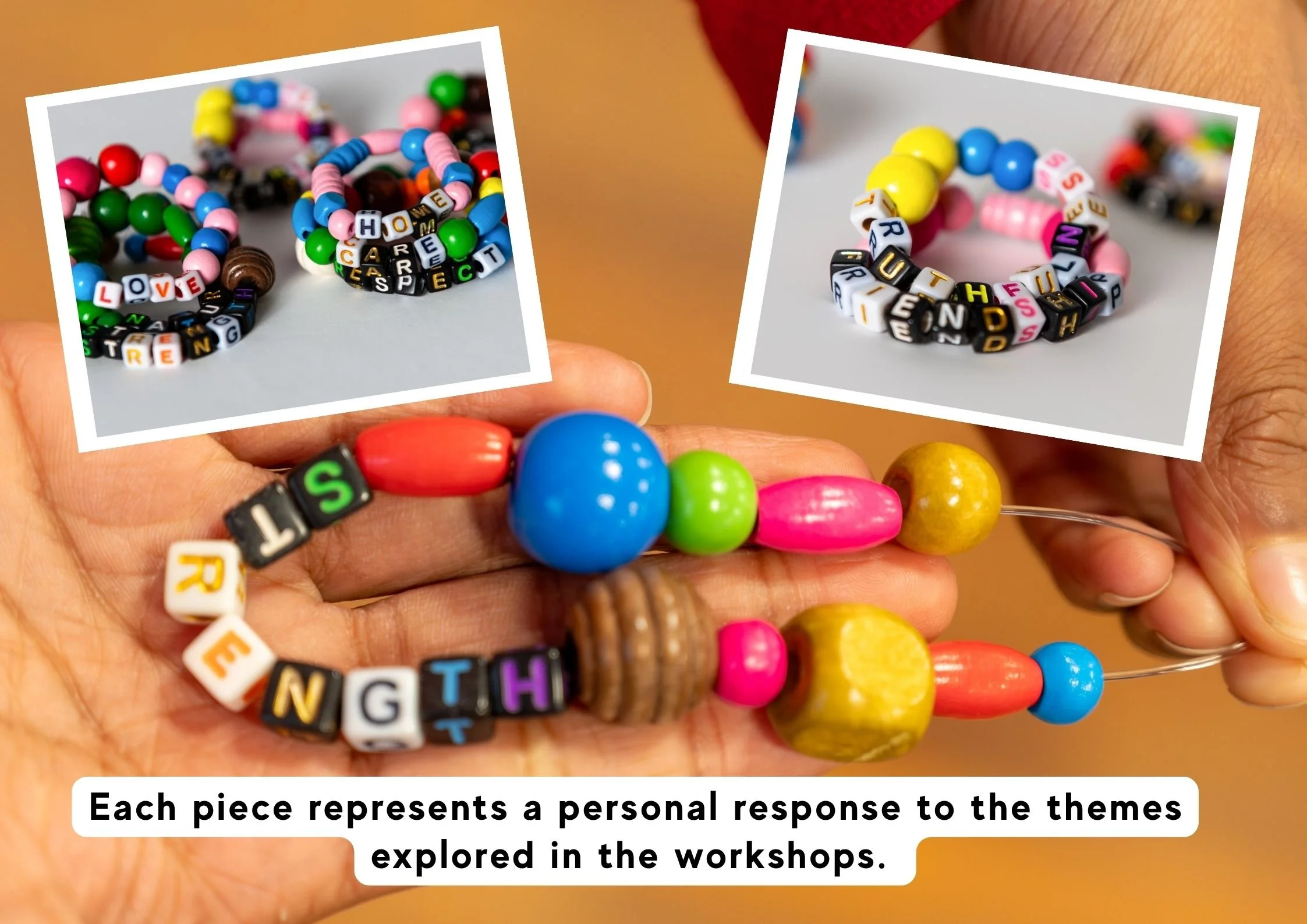
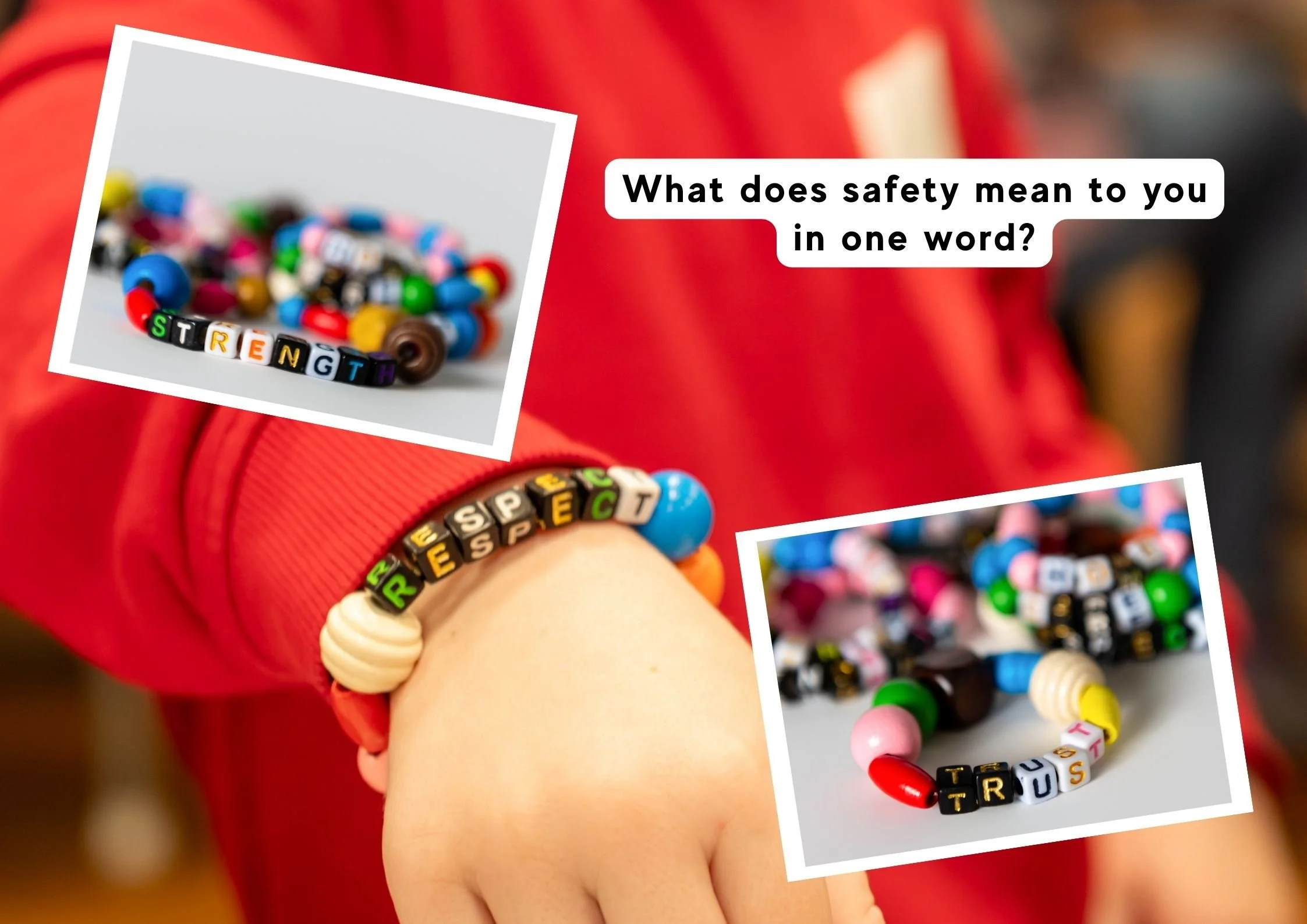
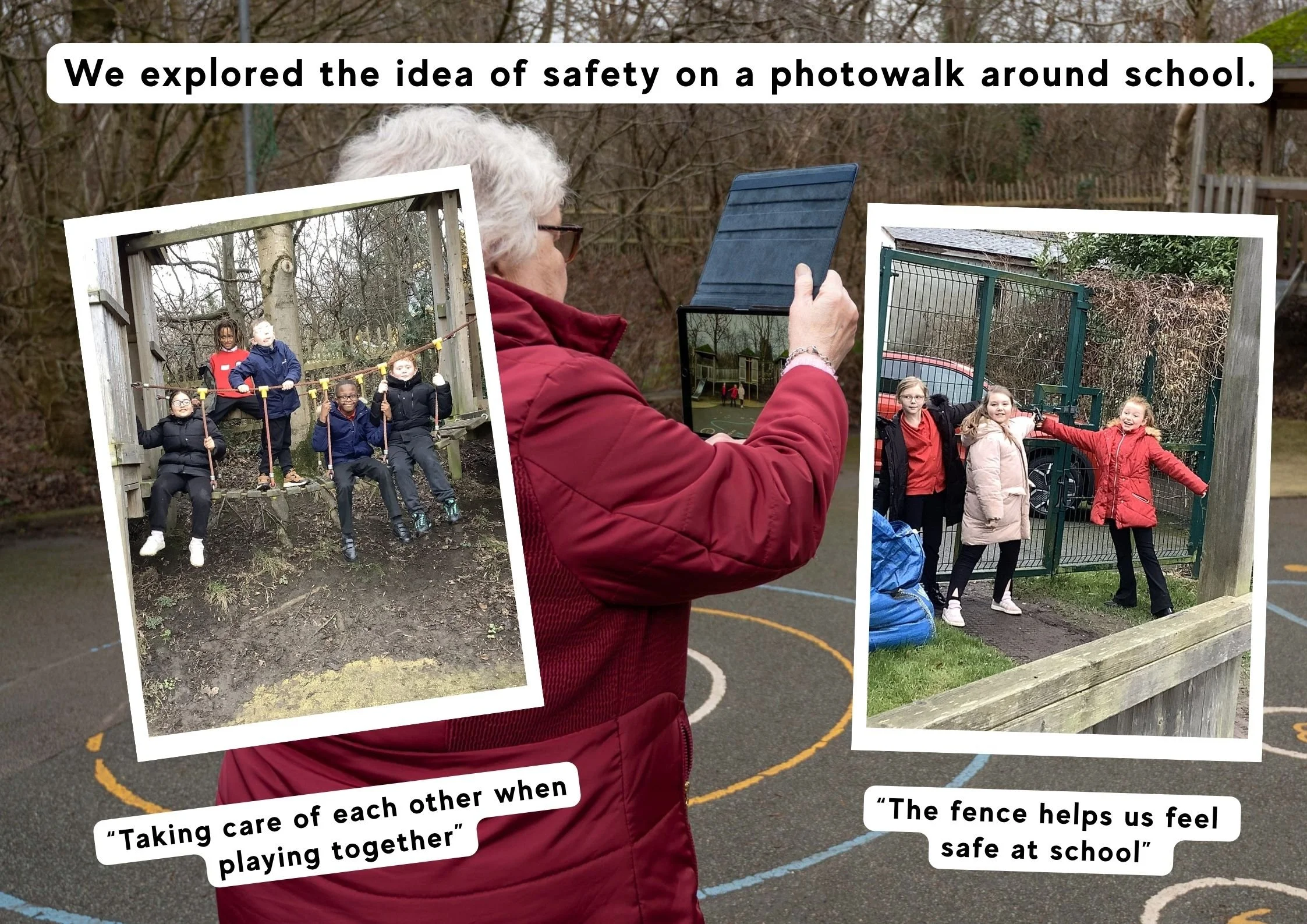
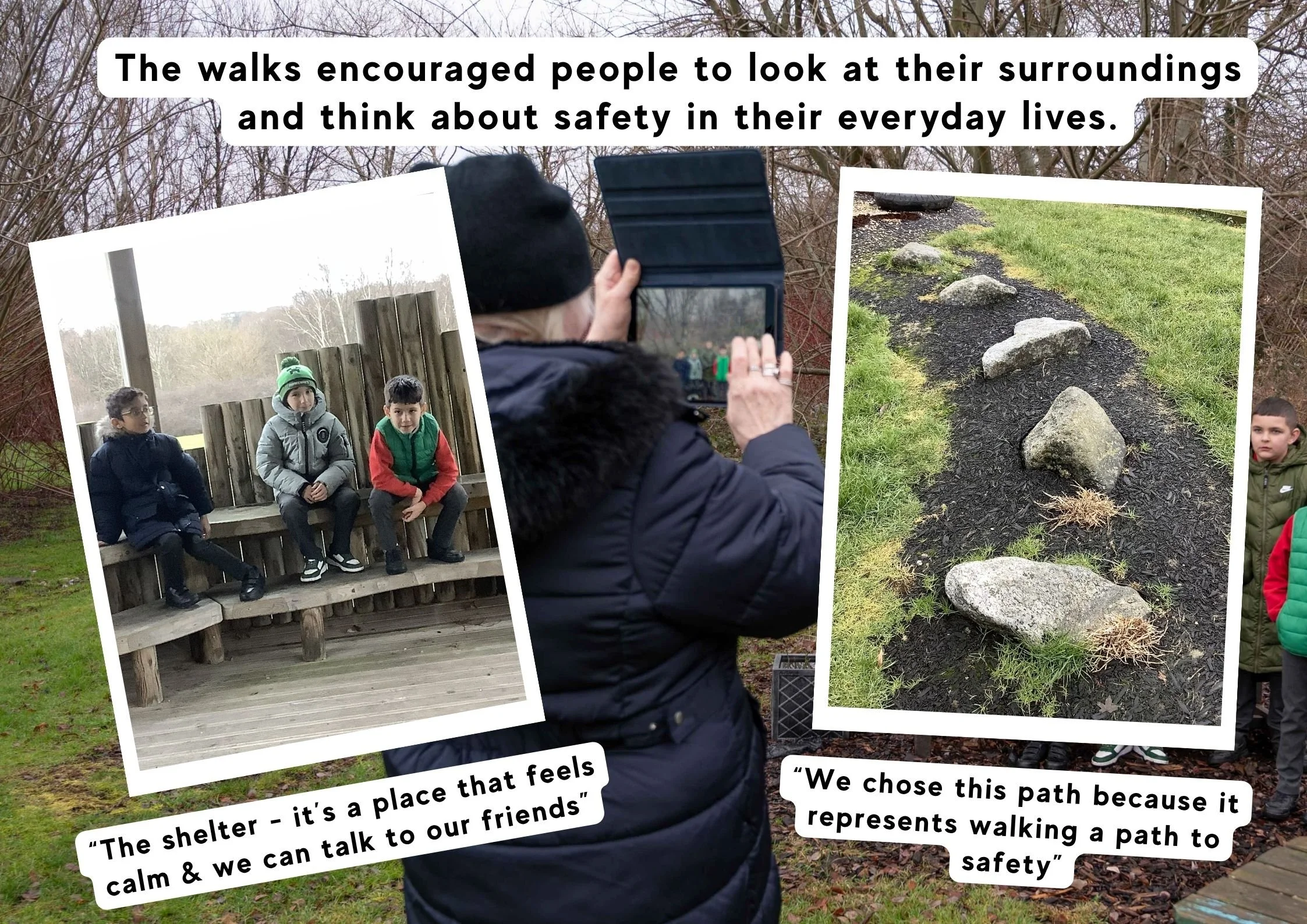
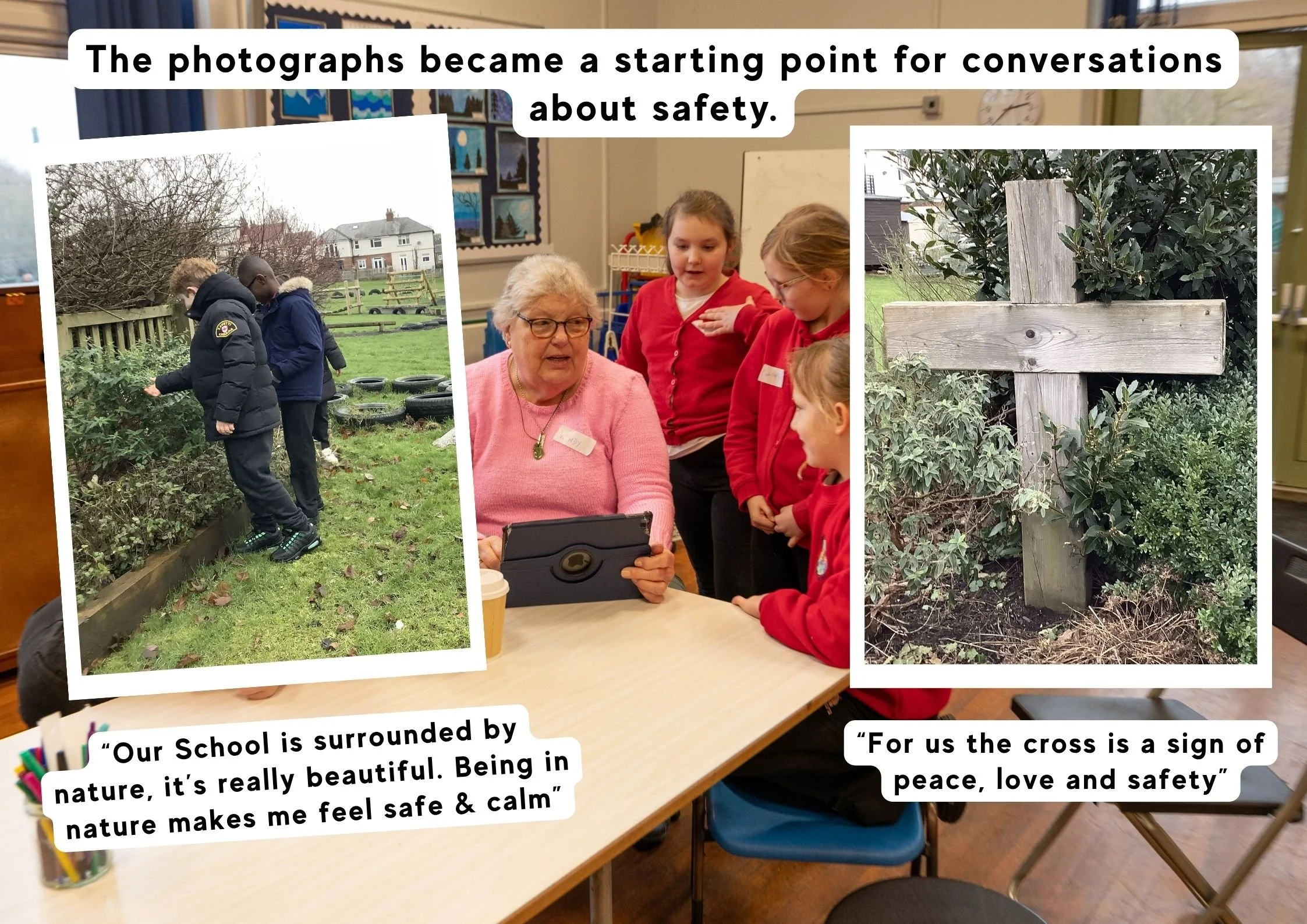
What happens when you slow things down
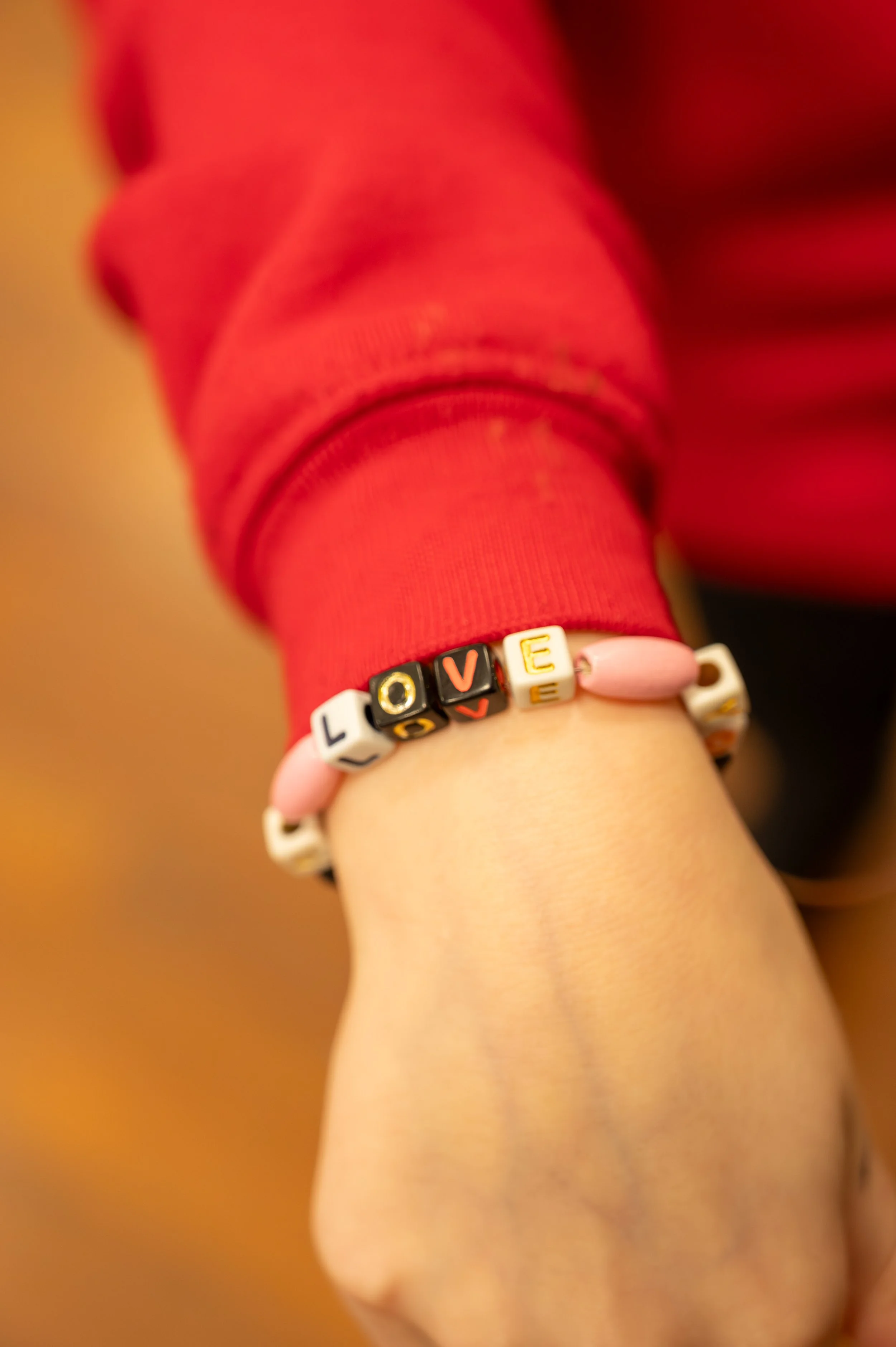
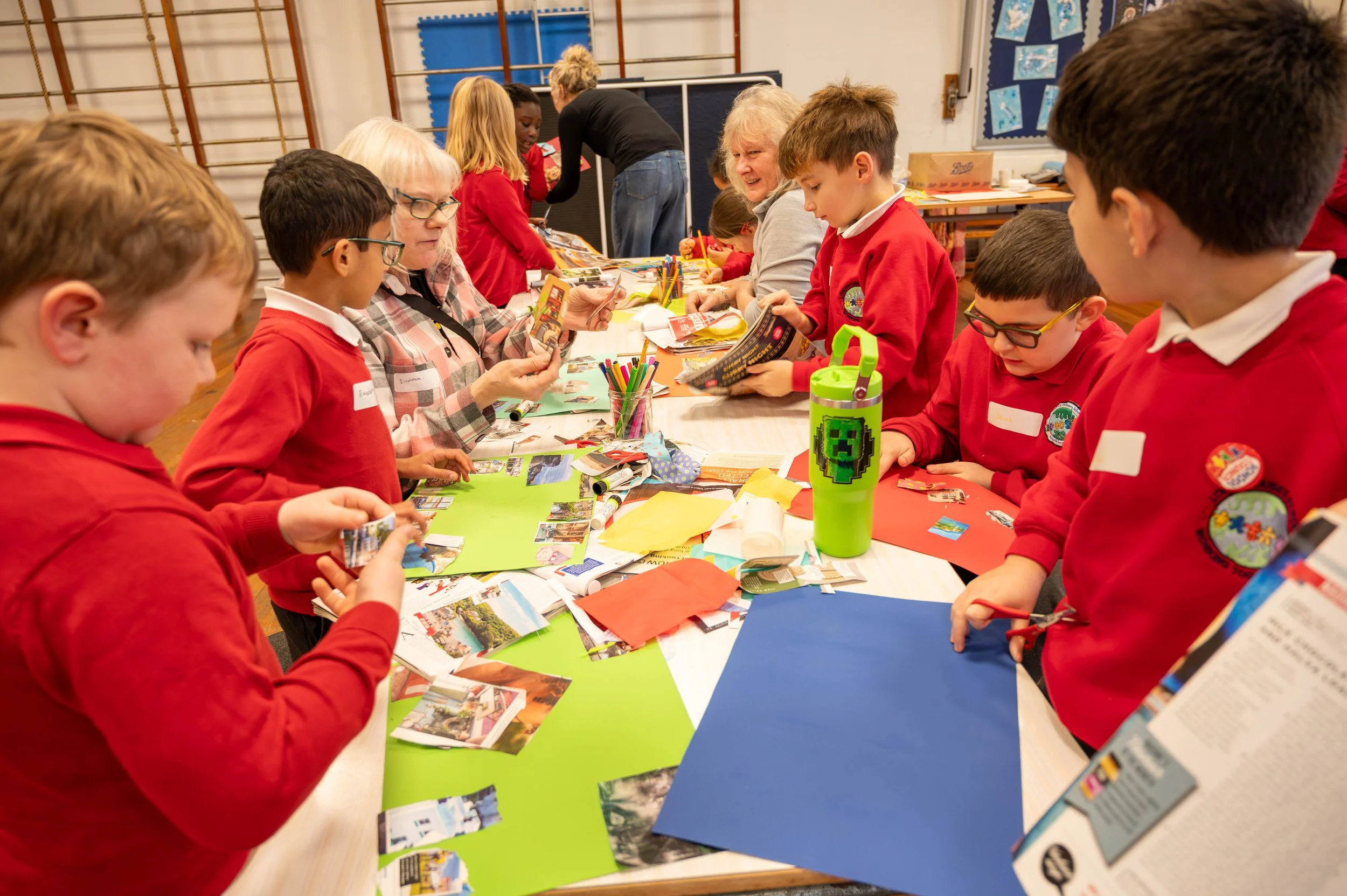
In the workshops, we went on photowalks, made images, cut things up, stuck things down, and talked.
Sometimes the conversations were light. Sometimes they went deeper.
What stood out was how quickly people connected to the theme when given the right tools. You don’t need formal language to talk about safety — you just need space, time, and a way to express it.
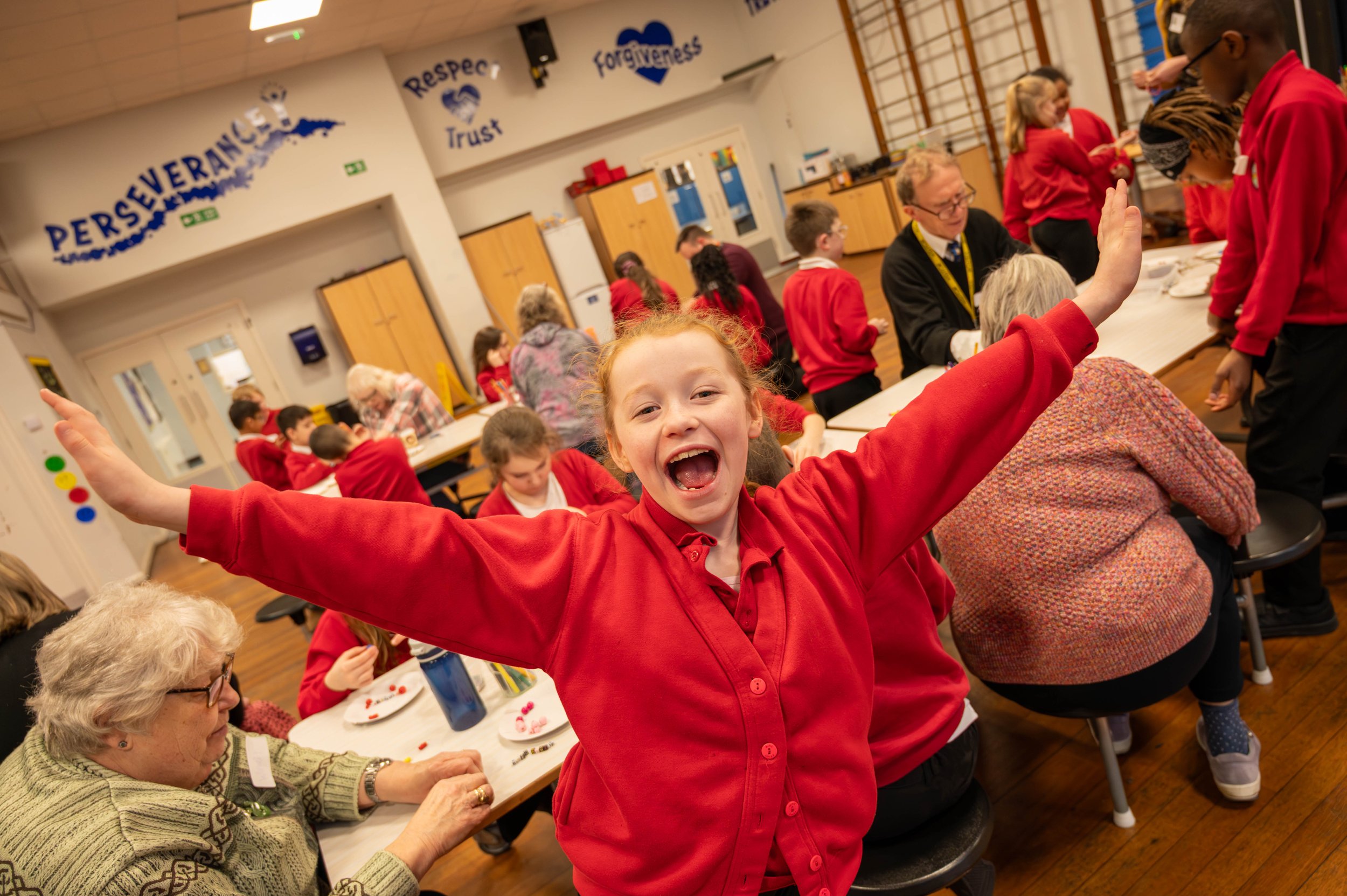
At the primary school, we ended up working with far more children than we originally planned. Alongside a core group, we delivered additional sessions that opened the project up to around 60 pupils in total.
That shift changed the feel of the work. It became less about a single group and more about a shared conversation across the school.
Bringing it together
The project came together through a final exhibition, alongside an online gallery and a short film.
What mattered wasn’t just the outputs, but what they represented:
different perspectives on safety
voices that aren’t always heard
a reminder that safety is about more than reducing risk
It’s about feeling seen. Feeling valued. Feeling like you belong.
There’s a tendency to talk about safety in top-down ways. Strategies, frameworks, interventions.
This project offered something different.
It showed that if you start with people’s lived experience, and give them the tools to express it, you get something more honest, more nuanced, and more useful.
It also showed the value of creative approaches in opening up conversations that don’t always happen in traditional settings.
And maybe most importantly, it reminded us that creating safe spaces isn’t just about what we build. It’s about how we listen.